What’s Actually Happening Behind Your Interior Design Project
When most people think about interior design, they picture moodboards, fabric swatches, beautiful furniture… and honestly, that part is real. But there’s a whole other side of the process that rarely shows up in the final photos or even in social media and it’s usually where most of the hours actually go.
So let’s talk about it.
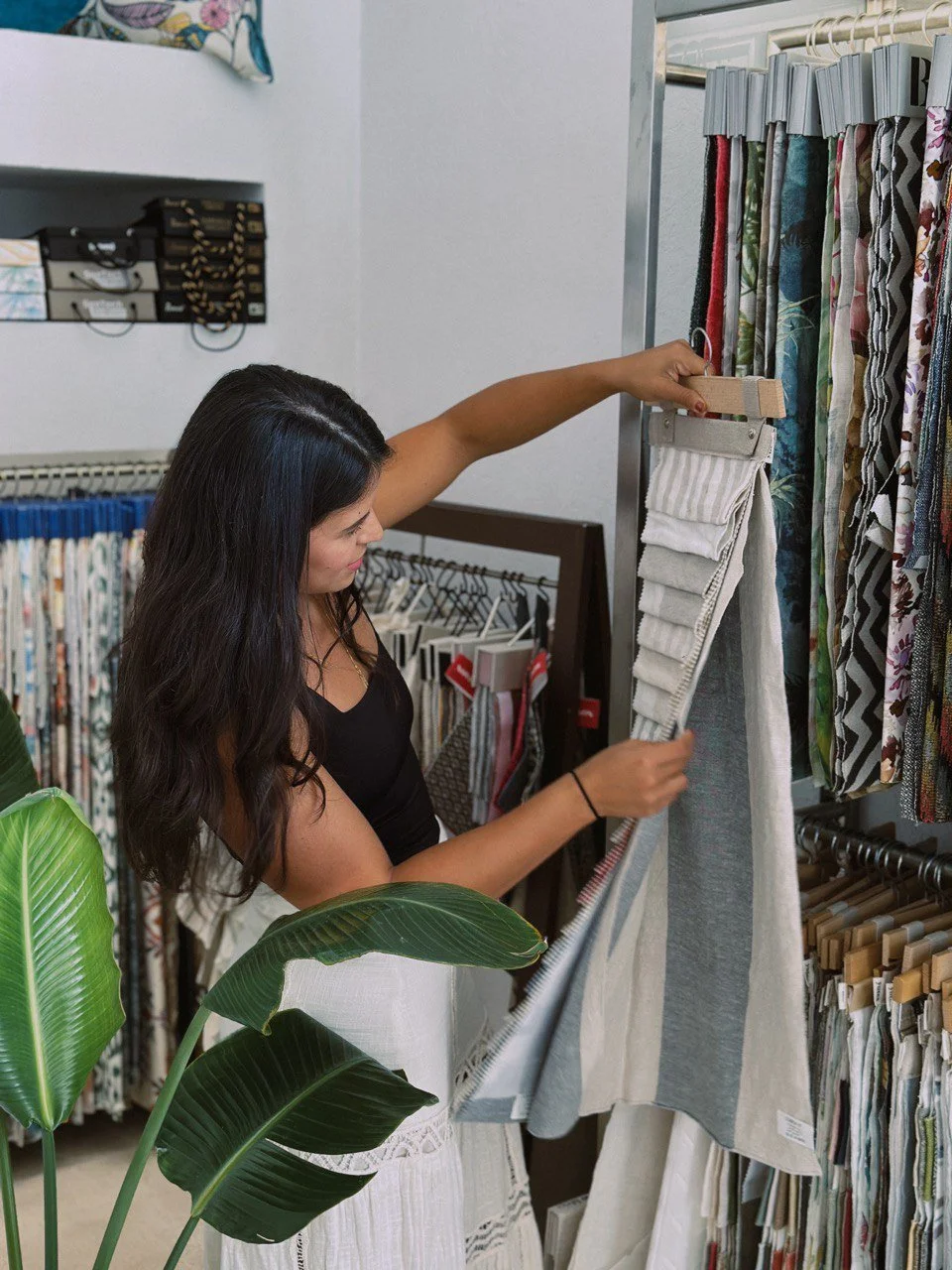
A moment from the design process: comparing fabrics, colours, and textures to find the right fit for the project.
1: Supplier communication
For every item in a project - furniture, lighting, tiles, hardware - there are emails. A lot of them. Requesting quotes, confirming lead times, chasing updated finishes, dealing with damaged deliveries, and following up, because that's just part of it.
A single piece can easily involve 10 to 15 back-and-forths before it arrives correctly. Multiply that by an entire project and you start to get the picture.
And then suddenly the supplier says:
"Actually, that finish is discontinued."
"The delivery will now take another 6 weeks."
"The measurements on site changed."
And the entire plan needs adjusting again.
This is probably the part of interior design that people don't really think about - not because clients are doing something wrong, but simply because most of this work is invisible.
2: Coordinating trades and contractors.
Designers are the bridge between the creative vision and the people actually building it. That means answering technical questions, coordinating schedules between different trades, clarifying drawings, and solving problems that come up on-site - because they always do.
This work is invisible, but without it, things fall apart fast. When a project looks effortless and beautiful in the final photos, it usually means a lot was happening in the background to make it feel that way.
3: Samples, finishes and Material matching.
This part of the process sounds quick but it rarely is. It starts with waiting for samples to arrive, then testing which ones work visually and functionally within the project. Once we present them alongside the design concept, sometimes everything aligns - and sometimes it doesn't, which means ordering new samples, re-comparing, and starting that process again.
Comparing samples under natural light, checking how two materials from different suppliers look side by side, making sure everything feels cohesive rather than just individually nice… it's genuinely time-consuming. Getting the finishes right is what makes a space feel pulled together - and it doesn't happen by accident.
And honestly, sometimes the actual "design" part is the fastest part.
4. Budget and quote management
When something doesn't fit the budget, the work isn't just "find something cheaper." It's comparing multiple quotes, recalculating quantities, adapting the selection without losing the overall feel, and revising specifications.
Designers are constantly filtering decisions - not just making them.
5. Last-minute changes & problem solving.
A project almost never follows the original plan perfectly. Discontinued products, delayed deliveries, measurements that changed, contractors that shift schedules, client revisions all of it requires quick thinking and adjustments that protect the overall vision without the client feeling the overwhelming.
This is probably the most invisible work of all. And the most important.
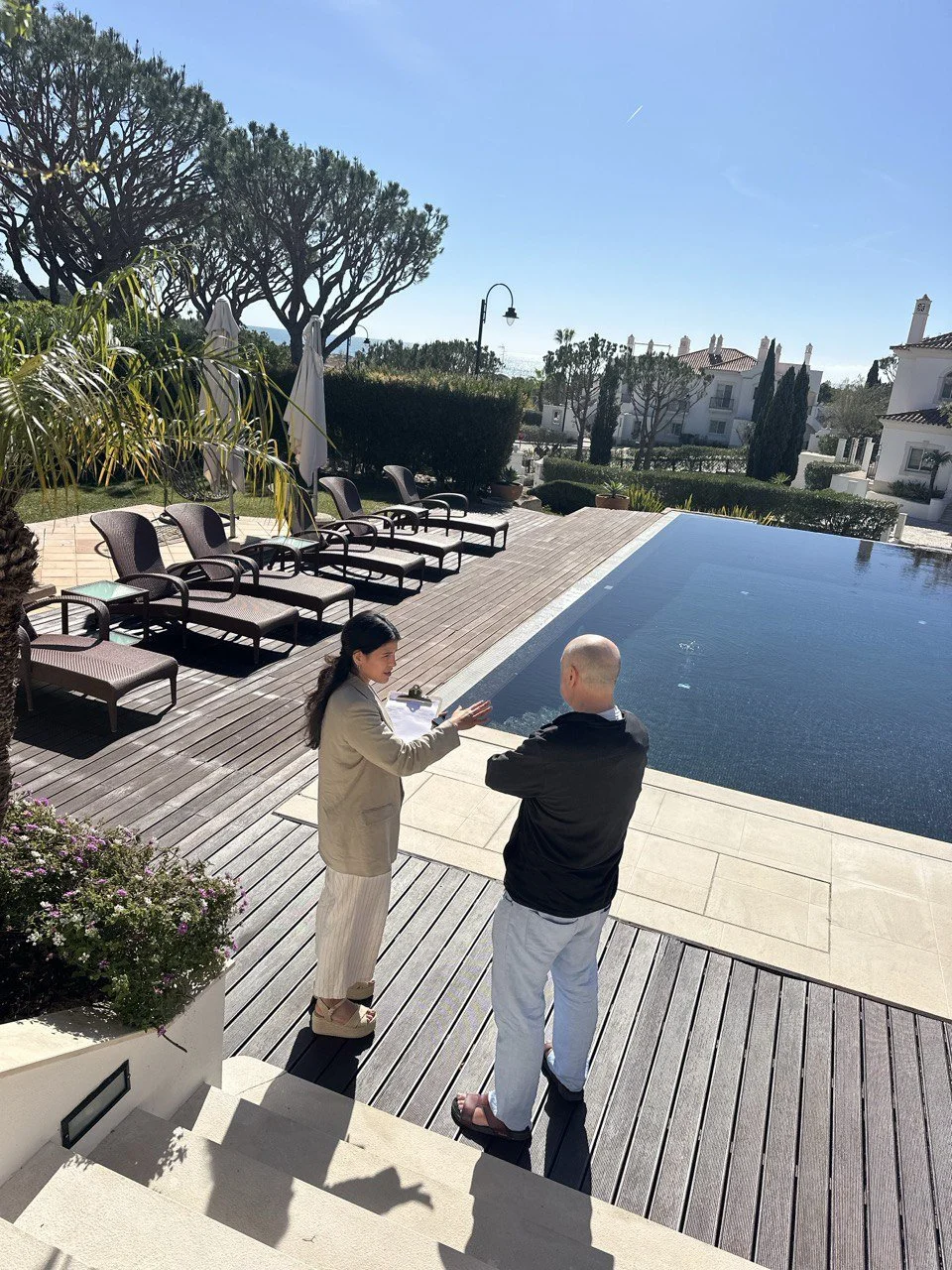
Discussing project details on-site to keep the design vision aligned with the realities of construction.
So what clients are actually paying for?
It's not just the design. It's everything around it.
The design itself is one part. The coordination, communication, and problem-solving behind it are what make the whole thing actually work.
I'm not sharing this to make the process sound complicated. In fact, part of my job is making it feel simpler and more enjoyable for the client.
Most of this work happens quietly in the background, but it's exactly what keeps a project moving smoothly and helps avoid costly mistakes, delays, or overwhelming decision fatigue.
Over the years, my process and pricing have evolved to reflect not only the creative side of interior design, but also the level of coordination, communication, and care that goes into delivering a complete project experience.
Because good design isn't only about creating beautiful spaces. It's about making the entire process feel clear, organized, and genuinely worth it.
See you in the next Blog Post! 👋
Paola.